Crown Point and nearby Lake County, Indiana
Crown Point Foundation Repair for Clay Lots, New Builds and Older Homes
Foundation repair in Crown Point mostly comes back to clay. The glacial till under much of the city holds water against basement walls every spring, whether the house went up near the courthouse square in the 1920s or in a subdivision ten years ago. This page sets out what the soil maps, the Census and Indiana law say, then sends your request to one independent local specialist when you are ready.
Half of Crown Point's homes were built in 1993 or later (U.S. Census), and Indiana's code sets Lake County footings at least 36 inches deep. Fixr's January 2026 guide puts most foundation repairs at $2,200–$8,200, with a range from $200 to seal a crack to $40,000 to underpin.
Why does Crown Point ground push on basements and leak into them?
Because so much of it is wet clay. In a 49-point sample of the USDA soil map centered on Crown Point, 16 points fell on Elliott silt loam, 9 on Pewamo silty clay loam and 6 on Blount silt loam. The USDA describes Elliott as silty material over silty clay loam till with a perched water table 1 to 2 feet down at some point between January and May in most years; Pewamo, found in the low spots, can have water standing a foot above the surface from December to May. Across Lake County, the soil survey puts three acres in four in its worst class for homes with basements, mainly because of that shallow water. Clay that stays wet presses harder on a wall, and it freezes and swells near the top of it in winter.
Which foundation repair fits what you are seeing?
- A crack in a poured or block wall, or a wall leaning in: basement wall crack repair.
- A floor, porch, stoop or garage slab that has dropped: settlement repair.
- Seepage at the floor edge, a damp wall or a sump that never rests: basement waterproofing.
- A mark you are unsure about, especially in a newer house: is this crack normal?
Crown Point foundation repairs, explained
- Cracked and bowing basement wallsWhich cracks are curing shrinkage and which are soil pressure, and how injection, carbon fiber, tiebacks and excavation compare.
- Settling foundations, porches and garage floorsSinking corners, dropped garage and porch slabs, and backfill that settles around newer houses, with piers and slab lifting compared.
- Basement waterproofingSpring seepage on perched clay water, sumps that never rest, and when grading, drain tile or an outside membrane makes sense.
- Foundation repair cost in Crown PointFixr's 2026 national ranges for cracks, wall bracing, piers, waterproofing and engineer reports, and what pushes a Crown Point quote up.
Soil, signs and Indiana rules
- The clay and water under Crown PointElliott, Pewamo and Blount soils, perched water in spring, muck in the hollows and how Lake County soils rate for basements.
- Is this crack normal?Signs sorted by house age: newer poured basements, older block and brick, and townhouses, each answered first.
- Builder warranties and hiring rulesWhat Indiana's new home warranty law covers, the notice owed before a defect lawsuit, Crown Point licenses and written contracts.
A young housing stock around an old courthouse town
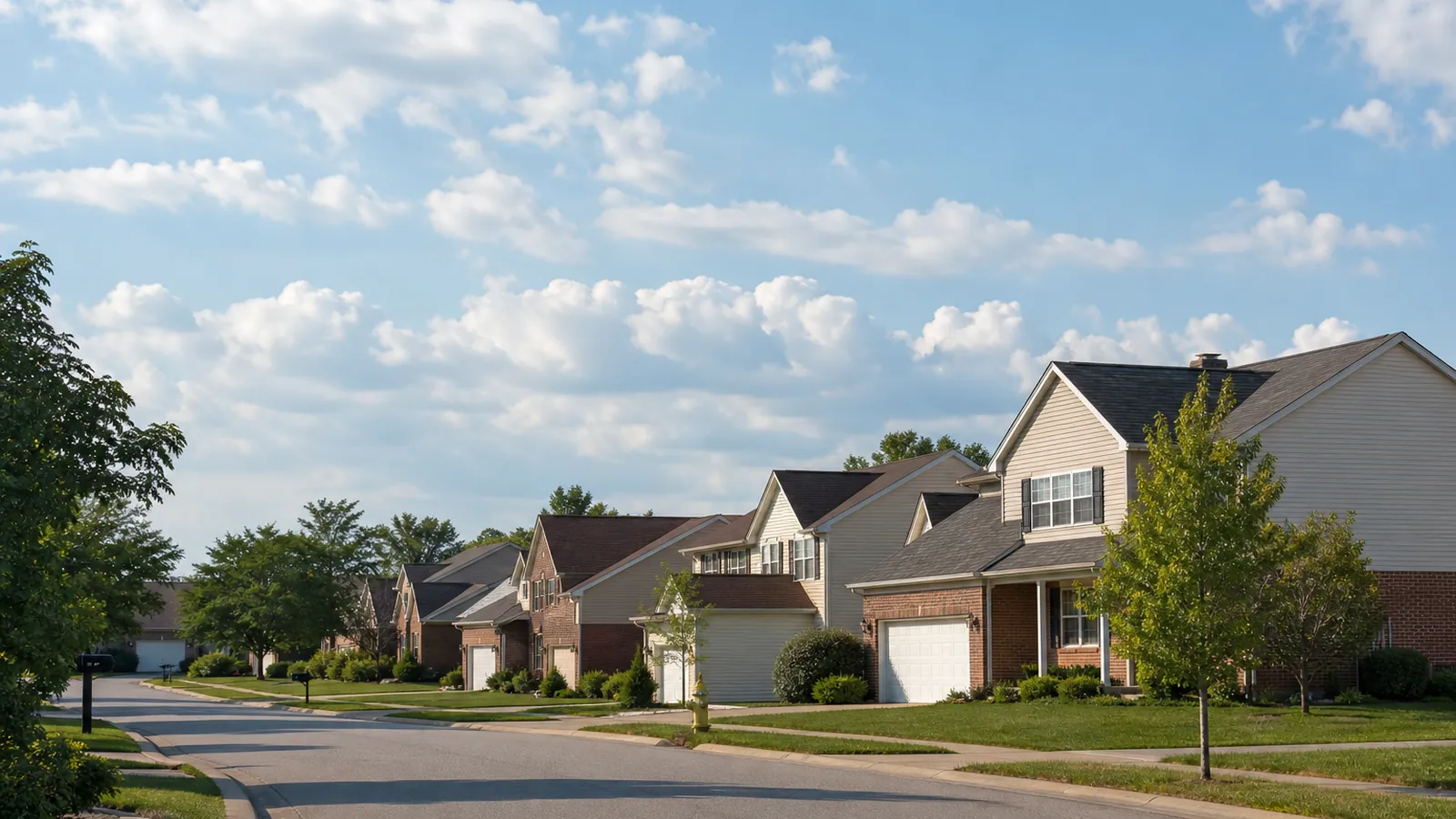
The U.S. Census counts 12,578 housing units in Crown Point with a median year built of 1993. About 42% went up in 2000 or later, while 958 homes, roughly 8%, date from 1939 or earlier. About 15% are single-family attached homes such as townhouses, which share walls and sometimes foundations. That mix matters for repairs: a newer basement is more likely to be poured concrete and may still fall inside a builder's warranty period, while an older one may be block, brick or stone with decades of patching behind it.
Could a builder's warranty still cover a newer house?
Possibly. Indiana Code 32-27-2-8 lets a builder warrant a new home to its first buyer: two years against faulty workmanship and materials, and ten years against major structural defects, counted from the date someone first lived in the house. The law defines a major structural defect as actual damage to the load-bearing part of the home, including damage from soil that sinks, swells or shifts. Builders are not required to give these warranties, so read your purchase papers first. The builder warranty guide walks through the rules.
Who reads your request
Crown Point Foundation HQ is a guide and referral service, not a contractor. It employs no inspectors or crews and sends nobody to your door. A request from this site reaches one independent foundation and waterproofing specialist who works in Crown Point and nearby Lake County towns and pays a referral fee to the site. There is no charge to you, and you can still ask other companies for bids.
Questions homeowners ask
My Crown Point house is only eight years old. Why is the basement wall cracked?
Thin vertical cracks in poured concrete are common as it cures and shrinks, and many never move again. Cracks that leak, run sideways or diagonally, or grow wider over a few months point to soil pressure or settling. In a house that young, also check whether a builder's warranty applies before paying for repairs.
Does Crown Point clay swell like Texas clay?
Not usually to that degree. In Lake County's soil survey, shrink-swell is a limiting reason on about one rated acre in five, while a shallow saturated zone is a factor on most of them. Here the bigger problem is clay that stays wet, pushes on walls and freezes near the surface each winter.
What happens to my request after I send it?
It goes to one independent foundation and waterproofing specialist who covers Crown Point, and to no one else. The specialist reaches out to talk about the house and comes out only if you want a visit. Ask early whether the company charges for that first trip, since practices differ.
Sources
- U.S. Census Bureau, American Community Survey 2020-2024: year structure built (B25034), Crown Point city, Indiana
- USDA NRCS Official Soil Series Description: Elliott
- USDA NRCS Official Soil Series Description: Pewamo
- Indiana General Assembly: Indiana Code Title 32, Article 27 (construction warranties)
- 2020 Indiana Residential Code (675 IAC 14-4.4), final rule text
Tell a local specialist what you see
A crack that showed up after the first winter, a basement that seeps every April, a garage floor that dropped: describe it in a line or two. One independent foundation and waterproofing specialist who covers Crown Point reads it.